
Farm and ranch insurance is essential for protecting agricultural property, operations, and livelihoods in Colorado. With rising costs across all aspects of farming, from feed and fuel to labor and machinery, managing insurance premiums has become a top priority for many landowners. While insurance is a necessary expense, there are several proactive strategies that can help reduce your premiums without sacrificing the protection your business needs. Understanding the factors that influence rates and taking deliberate steps to mitigate risk can lead to substantial savings over time.
Understand Your Current Coverage
The first step toward lowering your insurance premiums is gaining a clear understanding of your current coverage. Farm and ranch insurance policies are often complex, covering everything from dwellings and equipment to liability and crop damage. Many policies are customized, and it’s common for farmers to carry coverage they no longer need or for limits to be outdated based on current asset values.
Reviewing your policy with a qualified insurance agent is key. Ask questions about each coverage item, its limits, and how it contributes to your overall premium. If you’ve sold equipment, downsized livestock operations, or no longer lease out land, your policy should reflect those changes. Similarly, if the value of certain assets has depreciated, adjusting their insured value can reduce your premium. You may also discover duplicate coverage if you hold multiple policies for different parts of your operation, which can be consolidated for better efficiency.
Invest in Risk Management Practices
Insurers assess risk when determining premiums. The safer and more stable your farm appears, the lower your rates are likely to be. One of the most effective ways to lower premiums is by implementing formal risk management practices that address common hazards such as fire, equipment malfunction, weather-related damage, and livestock illness or injury.
In Colorado, where wildfires and unpredictable weather pose seasonal threats, steps like clearing brush around structures, maintaining irrigation systems, and storing hay properly can help reduce fire risk. For machinery, regular maintenance logs and inspections serve as proof of your commitment to safety and can earn premium discounts. Livestock operations can benefit from up-to-date vaccination records, biosecurity measures, and properly fenced enclosures to limit the risk of injury or loss.
You should also consider joining state or national risk management programs. The USDA’s Risk Management Agency (RMA) offers educational resources and crop insurance options tailored to Colorado’s agricultural climate. Demonstrating your participation in such programs can improve your insurability and offer access to subsidies that offset coverage costs.
Bundle and Customize Your Policy
Many insurance companies offer significant savings for bundling multiple types of coverage under one policy. If your farm or ranch includes residential dwellings, commercial vehicles, and employee liability needs, these can often be grouped under a single provider and policy structure for better rates and easier management.
A bundled farmowners policy can combine home, property, and liability coverage into one plan that not only simplifies administration but also reduces overhead. Some carriers may also offer incentives or loyalty discounts to policyholders who maintain long-term bundled coverage. Be sure to review available endorsements or riders to tailor your policy to your unique needs. For example, if you operate agritourism ventures such as farm stays or corn mazes, specific liability coverage can be added without the need for an entirely separate commercial policy.
Customization is another powerful tool for reducing unnecessary coverage costs. For example, if you only use certain pieces of equipment seasonally, you may be eligible for a reduced rate during off-peak months. Similarly, adjusting your deductibles, choosing a higher out-of-pocket cost in the event of a claim, can substantially lower your premiums. Just be sure the deductible amount remains manageable in the case of an actual loss.
Improve Farm Safety and Document Everything
Insurance companies reward safe practices. One of the most compelling ways to lower your premium is to demonstrate a strong safety culture across your operation. This includes regular employee training on equipment use, chemical handling, and emergency procedures. Installing safety signage, maintaining well-lit workspaces, and using protective gear all contribute to a lower-risk profile.
In Colorado, where terrain and climate can make farming uniquely hazardous, addressing site-specific risks is especially important. If your ranch has steep hillsides or creek crossings, ensuring those areas are marked and protected can prevent accidents that lead to costly claims. Additionally, upgrading aging infrastructure such as barns, outbuildings, and fencing improves structural integrity and reduces the likelihood of weather damage.
Perhaps even more important than implementing safety measures is documenting them. Keep detailed records of inspections, employee safety meetings, maintenance schedules, and upgrades. These records serve as evidence of your proactive efforts when you review your policy or file a claim. Insurers often offer reduced premiums to farmers who can clearly demonstrate loss prevention measures.
Shop Around and Compare Providers
Not all insurance providers assess farm and ranch risks in the same way. While your current provider may offer competitive rates, it’s wise to shop around and request quotes from several insurers that specialize in agricultural coverage in Colorado. Regional insurers may have a better understanding of Colorado-specific risks such as wildfire zones, drought patterns, or hail-prone regions and may price policies accordingly.
When comparing quotes, be sure to look beyond the premium. Examine the quality of coverage, exclusions, limits, and claim-handling reputation of each provider. The cheapest policy is not always the best if it leaves you vulnerable to gaps in protection. A more comprehensive policy at a slightly higher rate may offer better long-term value, especially if it reduces your out-of-pocket costs during a loss.
Working with an independent insurance agent can also be helpful. These professionals are not tied to one insurer and can access multiple carriers to find the best match for your operation. They can also help you understand discounts you may qualify for, such as loyalty rewards, new equipment credits, or claim-free bonuses.
Conclusion
Managing farm and ranch insurance premiums in Colorado is not just about cutting costs, it’s about aligning your coverage with the realities of your operation. By taking a proactive approach that includes regular policy reviews, implementing risk management strategies, bundling coverage where appropriate, enhancing safety practices, and exploring multiple insurance providers, you can lower your premiums while maintaining comprehensive protection.
Farming in Colorado comes with its own set of challenges, from unpredictable weather to remote locations. However, those challenges also present opportunities to demonstrate resilience and reduce risk in ways that insurers recognize and reward. With thoughtful planning and a willingness to revisit your insurance strategy regularly, you can ensure your operation is both well-protected and financially sustainable for the long haul.
Need an Insurance Company in Pagosa Springs, CO?
Here at Smith Insurance, we’re here to make insurance easy and tailored just for you. Our dedicated team is committed to finding the best coverage options—whether it’s for your car, home, business, or loved ones—so you can focus on what matters most. We take pride in offering personalized guidance and affordable solutions that fit your unique needs. Reach out to us today for a free quote, and let’s start building the peace of mind you deserve. We’re just a call or message away, ready to protect what matters most to you!
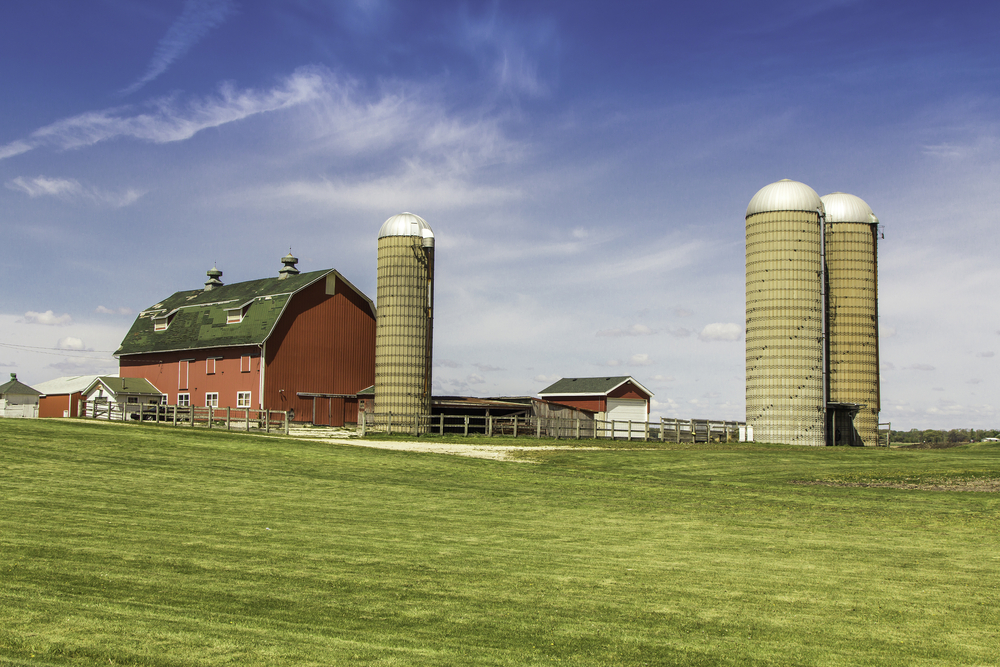
Agricultural life in Colorado presents both great opportunity and significant risk. The state’s climate, geography, and economy all contribute to a challenging environment for farming and ranching. From hailstorms sweeping across the plains to wildfires threatening mountain homesteads, the unpredictable nature of agriculture makes protection essential. Farm and ranch insurance provides a safety net, offering financial security against a range of hazards that can impact the livelihood of Colorado producers.
This blog explores what farm and ranch insurance typically covers in Colorado and how it supports the long-term sustainability of farming and ranching operations across the state.
Coverage for Residential and Operational Structures
A foundational aspect of any farm and ranch policy is protection for buildings on the property. This includes both the primary residence and the various structures essential to daily operations. The farmhouse is usually treated similarly to a home under a standard homeowner’s policy, offering protection from risks such as fire, theft, lightning, windstorms, and snow damage. Given the seasonal wildfire danger across large portions of Colorado, this coverage is particularly relevant.
Operational buildings are also covered, such as barns, sheds, silos, machine shops, greenhouses, and livestock shelters. The value of these buildings can be substantial, especially when they house animals, feed, or expensive machinery. Coverage ensures that damage from storms, vandalism, or accidental events can be repaired or compensated without severely impacting the farm’s financial position.
Many policies allow for tailoring based on the type of use. For instance, a grain storage building that processes harvested crops may require broader coverage than a simple outbuilding or tool shed. Insurers usually work with farmers to assign accurate replacement values to each structure, so there are no surprises in the event of a claim.
Equipment and Machinery Protection
The modern farm depends on a wide array of equipment to remain productive and efficient. Tractors, combines, irrigation systems, hay balers, ATVs, and planting machinery represent major financial investments. A comprehensive farm and ranch insurance policy includes coverage for these machines, helping to repair or replace them if they are damaged by a covered peril such as fire, collision, or theft.
Even small-scale tools like welders, portable pumps, and chainsaws can be covered under certain plans. In Colorado, where terrain and weather can cause unexpected wear or accidents, the risk to this equipment is higher. Coverage can also be extended to rented or borrowed machinery, which is a common need during seasonal peak periods like planting and harvesting.
Scheduling specific equipment on a policy (where each item is individually listed with a declared value) ensures that high-value machinery receives the full coverage it needs. For farmers looking to reduce downtime and avoid emergency repair bills, this part of the policy offers both practical and financial peace of mind.
Livestock Coverage Tailored for Colorado Conditions
Livestock is central to many agricultural operations in Colorado, especially in the vast ranchlands of the eastern plains and the mountainous west. Insurance for livestock is a critical component of any ranch policy and helps mitigate loss due to accidents, extreme weather, or disease.
Coverage can vary depending on the insurer and the needs of the operation. Blanket coverage provides protection for groups of animals, while scheduled coverage allows the policyholder to list individual high-value animals such as breeding bulls or prized horses. This is particularly useful for ranchers who rely on specific animals for genetic quality or market value.
Colorado ranchers face real threats to their livestock. Severe snowstorms can isolate herds, making food and water inaccessible. Predators such as mountain lions or coyotes may attack, and in some areas, livestock might be involved in vehicle collisions on rural roads. Insurance can cover the costs of animals lost in these situations.
Transportation coverage is also available. This is important when animals are moved to auction, feedlots, or new pastures. A collision while hauling livestock could result in multiple losses, and a well-structured policy will offer compensation for those damages.
Liability Protection for Injuries and Legal Claims
Liability protection is one of the most important parts of a farm and ranch insurance policy. It protects the policyholder if someone is injured on the property or if the operation causes property damage to others. In rural Colorado, where large tracts of land may intersect with public roads or hiking trails, this risk is heightened.
For example, if a visitor or seasonal worker is injured while on the property or involved in an accident involving farm animals or equipment, the liability coverage helps with legal defense, medical payments, and settlements. Without this, a single lawsuit could put the entire operation at financial risk.
Farmers and ranchers who engage in direct-to-consumer sales, such as selling produce at markets or running farm stands, may also need product liability protection. If a customer claims illness or injury from food grown or processed on the farm, the insurance helps manage the financial fallout.
Some policies extend to pollution liability, which becomes relevant if a chemical spill or pesticide drift affects neighboring land or water sources. For Colorado producers growing crops near communities or protected environments, this form of liability coverage may be especially important.
Custom Endorsements for Specialized Operations
No two agricultural operations are exactly alike, which is why flexibility in insurance matters. Colorado farms and ranches are incredibly diverse. Some raise cattle and grow hay, others run agritourism businesses, maintain orchards, or operate organic vegetable farms. Custom endorsements allow insurance policies to reflect those differences.
Crop insurance is a major component not usually included in a standard farm policy. Producers growing wheat, corn, fruit, or specialty crops in Colorado often need additional coverage to protect against yield losses from drought, hail, or frost. This can be purchased through private insurers or the federal crop insurance program.
Equine operations, vineyards, and organic farms often require endorsements to address the specific risks of their niche. For example, a stable boarding horses for others may need commercial liability for animal care. A winery may need extra protection for contamination or business interruption during harvest.
Emerging technologies on farms are also increasingly covered. Drones used for field surveillance, precision agriculture tools, and digital sensors represent a growing part of the farm’s value and can be scheduled for coverage. Likewise, policies can include business income protection to help producers recover financially if disaster causes temporary shutdowns.
For producers who host public events, corn mazes, pumpkin patches, or educational tours, agritourism liability endorsements are essential. These help protect against lawsuits or injuries that may arise when inviting the public onto the property.
Conclusion
Farming and ranching in Colorado is both a proud tradition and a demanding enterprise. The challenges facing agricultural producers in this region are as vast and varied as the land itself. That’s why farm and ranch insurance is not a luxury or optional safeguard. It is a core component of a well-managed and resilient operation.
Coverage for homes, barns, machinery, livestock, and liability ensures that farmers and ranchers can recover from the unexpected. Whether contending with wildfire damage, stolen equipment, or a customer injury at a farm stand, insurance serves as a reliable partner in times of crisis.
By understanding the scope of what farm and ranch insurance covers in Colorado, producers can make informed decisions to protect what matters most: their land, their work, and their future. With the right policy, they gain the security to focus on what they do best: feeding communities, stewarding natural resources, and building the legacy of Colorado agriculture.
Need an Insurance Company in Pagosa Springs, CO?
Here at Smith Insurance, we’re here to make insurance easy and tailored just for you. Our dedicated team is committed to finding the best coverage options—whether it’s for your car, home, business, or loved ones—so you can focus on what matters most. We take pride in offering personalized guidance and affordable solutions that fit your unique needs. Reach out to us today for a free quote, and let’s start building the peace of mind you deserve. We’re just a call or message away, ready to protect what matters most to you!

Operating a business in rural Colorado brings both opportunities and unique challenges. From the quiet mountain towns like Pagosa Springs to expansive agricultural communities across the state, entrepreneurs must safeguard their livelihoods against risks that could derail years of hard work. Small business insurance provides essential protection by covering losses that may result from accidents, property damage, liability claims, or employee injuries. For many owners, understanding the different types of coverage and how they apply in rural CO is the first step toward building a secure future.
Colorado law requires certain forms of insurance for business owners, particularly when employees are involved. Beyond legal compliance, having the right policies in place also builds trust with clients, partners, and the community. A contractor who carries general liability insurance for contractors in CO, for example, is more likely to secure jobs because clients see the coverage as a sign of professionalism and responsibility. Similarly, small businesses in rural areas that maintain proper coverage demonstrate that they are committed to protecting their customers, employees, and assets.
Insurance also acts as a buffer against the unpredictability of nature and economy in rural communities. Harsh winters, wildfire seasons, and supply chain disruptions all present potential risks. Small business insurance helps mitigate these uncertainties so that owners can focus on growth rather than constant worry about financial setbacks.
Business Liability Insurance and Legal Requirements
Business liability insurance is one of the most common forms of coverage for entrepreneurs in Colorado. This type of insurance protects businesses when they are held legally responsible for injuries, property damage, or accidents involving third parties. For example, if a customer slips on ice outside a retail shop in Pagosa Springs, business liability insurance can cover medical costs, legal expenses, and potential settlements. Without it, the financial burden could overwhelm a small rural business.
Liability insurance comes in different forms, including general liability and professional liability. General liability insurance for contractors in CO is especially critical, as construction and trade-related businesses are more prone to accidents or property damage claims. Professional liability insurance, sometimes referred to as errors and omissions coverage, applies to businesses that provide services or advice, ensuring protection if clients allege negligence or mistakes.
Colorado does not require every business to carry liability insurance, but it is strongly recommended for nearly all industries. Certain contracts, licenses, or partnerships may even mandate proof of coverage. In rural CO, where small businesses often thrive on personal connections and community reputation, carrying adequate liability insurance signals reliability and professionalism. It not only shields the business from lawsuits but also strengthens long-term relationships by showing a commitment to accountability.
Workers’ Compensation and Colorado Requirements
Any business with employees must comply with workers’ compensation laws. Colorado requires that companies provide workers’ compensation insurance to cover medical expenses and lost wages if employees are injured on the job. This mandate applies regardless of whether the business is located in Denver or in a rural town like Pagosa Springs.
Workers’ compensation, Colorado requirements specify, is not optional. Even family-owned businesses with only a few employees must ensure compliance. For rural small businesses, where staffing might be minimal, failing to provide this insurance can result in heavy penalties and leave both employees and owners financially vulnerable.
The cost of workers’ compensation insurance varies depending on the industry and risk level. For example, agricultural workers, construction crews, or logging employees in rural Colorado are often considered higher risk, leading to higher premiums. Still, the benefits outweigh the costs. Workers’ compensation not only ensures that injured employees receive proper medical care and wage replacement but also protects business owners from lawsuits related to workplace injuries.
For small businesses in Pagosa Springs and beyond, securing this coverage creates peace of mind for both employers and employees. It fosters a safer work environment and demonstrates that the business values its team members’ well-being, which is especially important in tight-knit rural communities.
What Business Insurance Do I Need in Pagosa Springs?
Business owners in Pagosa Springs often ask, what business insurance do I need in Pagosa Springs to operate safely and responsibly? The answer depends on the industry, business model, and scale of operations, but several core coverages are universally recommended.
At a minimum, small business insurance should include general liability insurance to protect against accidents involving customers or third parties. If the business owns property, whether a storefront or equipment, property insurance is crucial for covering damages caused by fire, theft, or natural disasters. Pagosa Springs’ location in the San Juan Mountains makes businesses vulnerable to heavy snowfall and seasonal wildfires, both of which highlight the importance of property coverage.
Workers’ compensation, as required by Colorado law, is another essential component. Businesses that rely on vehicles for deliveries or services should also consider commercial auto insurance. If the business provides professional advice or specialized services, professional liability coverage becomes valuable.
For contractors, tradespeople, and service providers in Pagosa Springs, general liability insurance for contractors in CO is often the most relevant coverage. Many contracts and local clients expect proof of insurance before work begins. Additionally, umbrella policies can extend coverage limits for businesses that face higher risks.
Ultimately, the specific mix of policies should reflect the business’s unique risks. Consulting with an insurance advisor familiar with rural Colorado businesses ensures that owners are not underinsured or paying for unnecessary coverage.
Building a Secure Future for Rural CO Businesses
Rural CO small businesses are the backbone of their communities, providing essential services, jobs, and economic activity. Protecting these businesses with comprehensive insurance is vital not only for the owners but also for the families and towns that rely on them. While it may feel overwhelming to sort through various policies, focusing on core areas like business liability insurance, workers’ compensation, and property protection provides a strong foundation.
Colorado’s requirements help guide business owners toward compliance, but each business must take additional steps to customize coverage based on specific risks. For instance, contractors in Pagosa Springs may face different exposures than a boutique shop or a restaurant. Tailoring insurance coverage ensures that every small business has protection that fits its operations rather than a one-size-fits-all approach.
By investing in the right small business insurance, rural entrepreneurs position themselves for long-term success. Insurance does more than shield against financial loss; it empowers owners to grow with confidence, knowing that unexpected setbacks will not derail their progress. In communities where every business counts, securing adequate coverage is a responsibility as much as it is a necessity.
Conclusion
Small businesses in rural Colorado face distinct challenges, from unpredictable weather to the close-knit nature of their communities. Insurance is an essential tool for safeguarding these enterprises, whether through business liability insurance, workers’ compensation, or specialized coverage tailored to specific industries.
For owners in Pagosa Springs wondering what business insurance they need, the answer lies in a balanced portfolio of coverage that includes general liability, workers’ compensation, and property protection. Contractors and service providers should also ensure they carry general liability insurance for contractors in CO, as it enhances credibility and satisfies client expectations.
Ultimately, the right mix of small business insurance allows rural CO entrepreneurs to focus on growth, innovation, and community service without the constant fear of financial setbacks. By staying compliant with Colorado requirements and thoughtfully selecting policies, small business owners build resilience and security for their future. In doing so, they not only protect their investments but also contribute to the stability and prosperity of rural communities across the state.
Need an Insurance Company in Pagosa Springs, CO?
Here at Smith Insurance, we’re here to make insurance easy and tailored just for you. Our dedicated team is committed to finding the best coverage options—whether it’s for your car, home, business, or loved ones—so you can focus on what matters most. We take pride in offering personalized guidance and affordable solutions that fit your unique needs. Reach out to us today for a free quote, and let’s start building the peace of mind you deserve. We’re just a call or message away, ready to protect what matters most to you!

Running a small business in Pagosa Springs comes with its own set of challenges and rewards. From scenic mountain backdrops to a tight-knit community, Pagosa Springs is an ideal place to grow your venture. However, like any business anywhere, it is essential to protect what you’ve built with the right insurance. This guide will help you navigate the ins and outs of small business insurance in Pagosa Springs so you can make informed decisions that secure your company’s future.
Understanding Small Business Insurance in Pagosa Springs
Small business insurance is more than just a safeguard against unforeseen events—it’s a tool that ensures continuity, compliance, and peace of mind. Every business faces risks, whether from natural disasters, lawsuits, or employee-related incidents. In Pagosa Springs, unique local factors such as seasonal tourism and weather conditions can influence the type of coverage you need.
Why Is Small Business Insurance Important?
Business insurance isn’t just a recommendation; in many cases, it’s a requirement. Certain coverages, such as workers’ compensation, are mandated by law, while others, like general liability insurance, can protect you from costly lawsuits. Without adequate insurance, a single claim could put your business at risk of financial ruin.
Common Risks for Pagosa Springs Businesses
In Pagosa Springs, business owners face risks such as:
- Seasonal Weather Events: Heavy snowfalls and flooding can damage property.
- Tourism-Driven Issues: Increased foot traffic during tourist seasons may lead to liability claims.
- Remote Operations: If your business relies on transportation or remote locations, you may need additional coverage.
Understanding these risks is the first step in building a robust insurance portfolio.
Types of Insurance Every Pagosa Springs Business Should Consider
The type of insurance you need depends on the size, industry, and operations of your business. Below are some common types of small business insurance Pagosa Springs owners should consider:
General Liability Insurance
General liability insurance is the backbone of any business insurance plan. It covers claims of bodily injury, property damage, and advertising injury. For example, if a customer slips and falls in your store, general liability insurance will cover medical costs and legal fees.
Property Insurance
Whether you own or rent your business property, property insurance protects your physical assets. This includes buildings, equipment, inventory, and furniture. Given Pagosa Springs’ weather patterns, property insurance can be vital in safeguarding your business against natural disasters.
Business Interruption Insurance
Natural disasters or unforeseen events can force you to close temporarily. Business interruption insurance compensates you for lost income during this downtime, ensuring your financial stability.
Workers’ Compensation Insurance
If you have employees, workers’ compensation insurance is required by Colorado law. It covers medical expenses and lost wages for employees who are injured on the job.
Professional Liability Insurance
Also known as errors and omissions (E&O) insurance, this coverage is essential for service-based businesses. It protects against claims of negligence or mistakes in professional services.
Commercial Auto Insurance
If your business uses vehicles for deliveries or transport, commercial auto insurance is necessary. It covers damages and liability related to business vehicle use.
Cyber Liability Insurance
With the rise of digital transactions, cyber liability insurance is becoming increasingly important. It protects your business against data breaches, cyberattacks, and other digital threats.
Specialized Insurance for Pagosa Springs Businesses
Given the local economy’s dependence on tourism, some businesses may require specialized coverage:
- Event Liability Insurance: If your business hosts events or festivals, this coverage can protect against event-related risks.
- Hospitality Insurance: For restaurants, hotels, and vacation rentals, tailored policies address unique industry needs.
- Outdoor Adventure Insurance: Businesses offering outdoor activities, such as hiking tours or skiing lessons, should consider policies that account for higher risks.
How to Choose the Right Insurance for Your Small Business
Choosing the right insurance requires a strategic approach. Here are key steps to help you select the best coverage:
Assess Your Risks
Start by identifying the specific risks your business faces. Consider factors such as your industry, location, and business activities. For example, a retail store may prioritize general liability and property insurance, while a consulting firm might focus on professional liability coverage.
Consult a Local Insurance Agent
Working with a local insurance agent familiar with Pagosa Springs is invaluable. They understand the area’s unique risks and can recommend policies tailored to your needs. Be sure to ask about any discounts or bundled packages for small businesses.
Compare Quotes
Don’t settle for the first quote you receive. Compare multiple options from different providers to ensure you’re getting comprehensive coverage at a competitive price. Look for customer reviews and check the insurer’s reputation for handling claims efficiently.
Review Policy Details Carefully
Before committing, read the fine print. Pay attention to exclusions, deductibles, and coverage limits. Ensure the policy aligns with your business’s specific needs and budget.
Reevaluate Your Insurance Needs Regularly
Your business isn’t static, and neither should your insurance be. As your operations grow or change, reevaluate your coverage to ensure it’s still adequate.
Mistakes to Avoid When Buying Business Insurance
Buying business insurance can be overwhelming, and mistakes can cost you dearly. Avoid these common pitfalls:
- Underinsuring Your Business: Skimping on coverage might save money upfront but can leave you exposed to significant losses.
- Overlooking Key Coverages: Don’t assume basic policies cover everything. For example, general liability insurance won’t protect against cyberattacks.
- Failing to Update Policies: As your business grows, your insurance needs will evolve. Regular updates are essential.
- Choosing Price Over Quality: While affordability matters, prioritize insurers with strong reputations for claims handling and customer service.
Cost of Small Business Insurance in Pagosa Springs
The cost of small business insurance varies depending on factors such as industry, location, and coverage needs. On average, Pagosa Springs business owners can expect to pay between $500 and $3,000 annually for comprehensive coverage. Factors influencing cost include:
- Industry: High-risk industries like construction or hospitality often have higher premiums.
- Business Size: Larger operations with more employees or assets will require more coverage.
- Claims History: A history of frequent claims can increase your premiums.
- Coverage Limits: Higher coverage limits mean higher premiums but better protection.
To find affordable rates, work with a local agent who understands the nuances of small business insurance in Pagosa Springs.
Benefits of Having the Right Business Insurance
Having the right insurance offers benefits beyond risk mitigation:
- Financial Security: Protect your business assets from costly claims and damages.
- Peace of Mind: Focus on growing your business without worrying about potential disasters.
- Compliance: Meet legal and contractual obligations with proper coverage.
- Reputation Protection: Handle claims efficiently to maintain your business’s reputation.
Finding the Right Insurance Partner in Pagosa Springs
Choosing the right insurance provider is as important as selecting the right coverage. Here’s what to look for in an insurance partner:
- Local Expertise: A provider familiar with Pagosa Springs’ unique challenges.
- Strong Reputation: Look for positive reviews and testimonials.
- Customizable Policies: Ensure the insurer offers policies tailored to your specific needs.
- Excellent Customer Service: A responsive agent can make all the difference during claims.
Conclusion
Choosing the right small business insurance in Pagosa Springs is an investment in your company’s longevity and success. By understanding your risks, exploring coverage options, and partnering with a knowledgeable local agent, you can build a policy that protects your livelihood and gives you peace of mind.
Don’t wait until it’s too late—start exploring your options for business insurance today. A proactive approach will ensure your Pagosa Springs business is prepared for any challenge that comes its way.
Need an Insurance Company in Pagosa Springs, CO?
Here at Smith Insurance, we’re here to make insurance easy and tailored just for you. Our dedicated team is committed to finding the best coverage options—whether it’s for your car, home, business, or loved ones—so you can focus on what matters most. We take pride in offering personalized guidance and affordable solutions that fit your unique needs. Reach out to us today for a free quote, and let’s start building the peace of mind you deserve. We’re just a call or message away, ready to protect what matters most to you!