Agricultural life in Colorado presents both great opportunity and significant risk. The state’s climate, geography, and economy all contribute to a challenging environment for farming and ranching. From hailstorms sweeping across the plains to wildfires threatening mountain homesteads, the unpredictable nature of agriculture makes protection essential. Farm and ranch insurance provides a safety net, offering financial security against a range of hazards that can impact the livelihood of Colorado producers.
This blog explores what farm and ranch insurance typically covers in Colorado and how it supports the long-term sustainability of farming and ranching operations across the state.
Coverage for Residential and Operational Structures
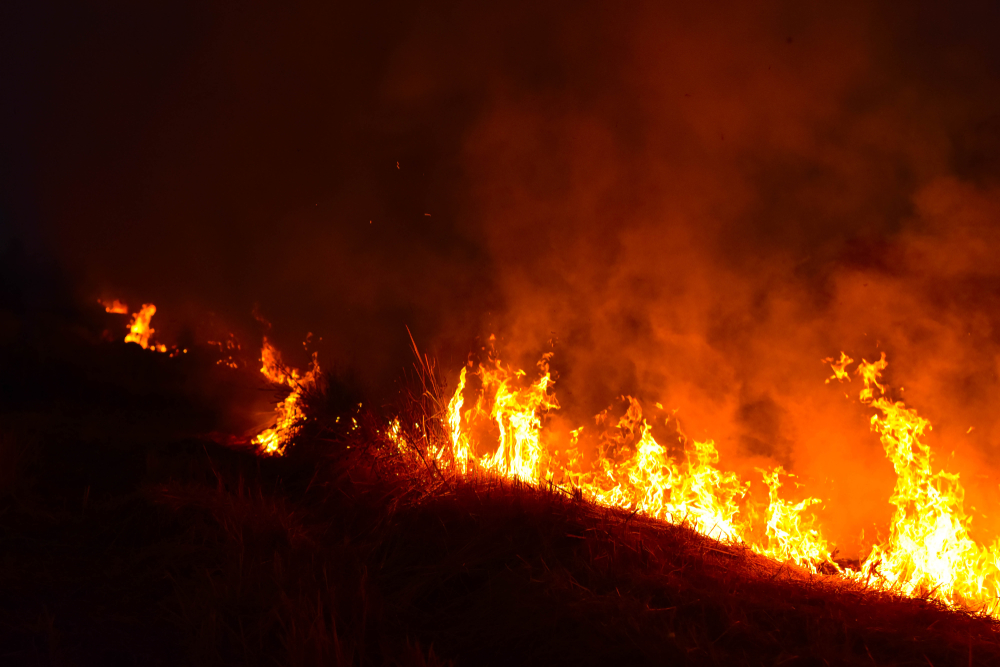
A foundational aspect of any farm and ranch policy is protection for buildings on the property. This includes both the primary residence and the various structures essential to daily operations. The farmhouse is usually treated similarly to a home under a standard homeowner’s policy, offering protection from risks such as fire, theft, lightning, windstorms, and snow damage. Given the seasonal wildfire danger across large portions of Colorado, this coverage is particularly relevant.
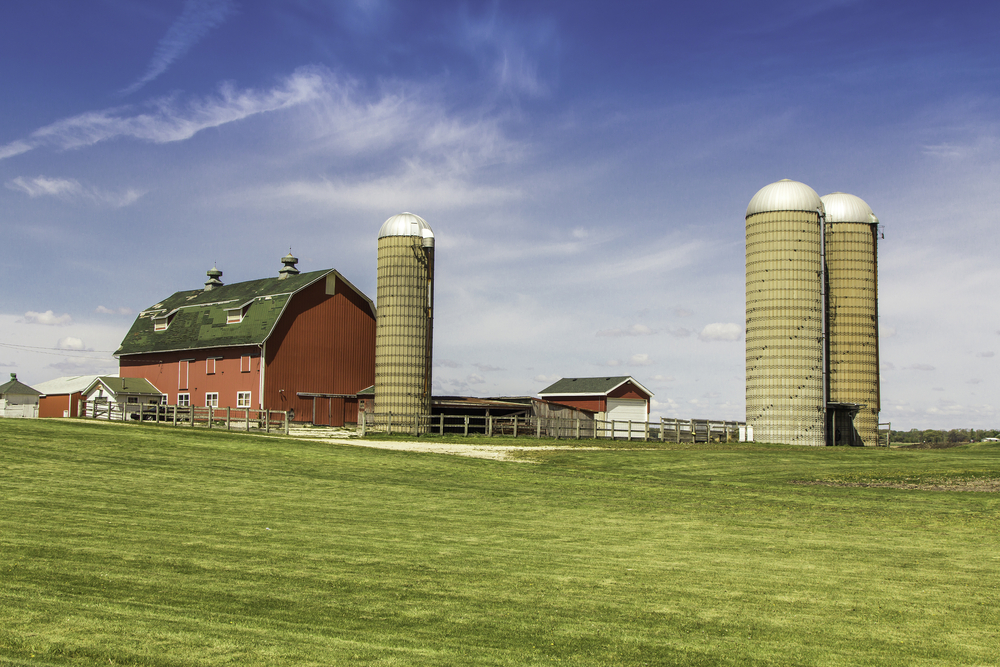
Operational buildings are also covered, such as barns, sheds, silos, machine shops, greenhouses, and livestock shelters. The value of these buildings can be substantial, especially when they house animals, feed, or expensive machinery. Coverage ensures that damage from storms, vandalism, or accidental events can be repaired or compensated without severely impacting the farm’s financial position.
Many policies allow for tailoring based on the type of use. For instance, a grain storage building that processes harvested crops may require broader coverage than a simple outbuilding or tool shed. Insurers usually work with farmers to assign accurate replacement values to each structure, so there are no surprises in the event of a claim.
Equipment and Machinery Protection
The modern farm depends on a wide array of equipment to remain productive and efficient. Tractors, combines, irrigation systems, hay balers, ATVs, and planting machinery represent major financial investments. A comprehensive farm and ranch insurance policy includes coverage for these machines, helping to repair or replace them if they are damaged by a covered peril such as fire, collision, or theft.
Even small-scale tools like welders, portable pumps, and chainsaws can be covered under certain plans. In Colorado, where terrain and weather can cause unexpected wear or accidents, the risk to this equipment is higher. Coverage can also be extended to rented or borrowed machinery, which is a common need during seasonal peak periods like planting and harvesting.
Scheduling specific equipment on a policy (where each item is individually listed with a declared value) ensures that high-value machinery receives the full coverage it needs. For farmers looking to reduce downtime and avoid emergency repair bills, this part of the policy offers both practical and financial peace of mind.
Livestock Coverage Tailored for Colorado Conditions
Livestock is central to many agricultural operations in Colorado, especially in the vast ranchlands of the eastern plains and the mountainous west. Insurance for livestock is a critical component of any ranch policy and helps mitigate loss due to accidents, extreme weather, or disease.
Coverage can vary depending on the insurer and the needs of the operation. Blanket coverage provides protection for groups of animals, while scheduled coverage allows the policyholder to list individual high-value animals such as breeding bulls or prized horses. This is particularly useful for ranchers who rely on specific animals for genetic quality or market value.
Colorado ranchers face real threats to their livestock. Severe snowstorms can isolate herds, making food and water inaccessible. Predators such as mountain lions or coyotes may attack, and in some areas, livestock might be involved in vehicle collisions on rural roads. Insurance can cover the costs of animals lost in these situations.
Transportation coverage is also available. This is important when animals are moved to auction, feedlots, or new pastures. A collision while hauling livestock could result in multiple losses, and a well-structured policy will offer compensation for those damages.
Liability Protection for Injuries and Legal Claims
Liability protection is one of the most important parts of a farm and ranch insurance policy. It protects the policyholder if someone is injured on the property or if the operation causes property damage to others. In rural Colorado, where large tracts of land may intersect with public roads or hiking trails, this risk is heightened.
For example, if a visitor or seasonal worker is injured while on the property or involved in an accident involving farm animals or equipment, the liability coverage helps with legal defense, medical payments, and settlements. Without this, a single lawsuit could put the entire operation at financial risk.
Farmers and ranchers who engage in direct-to-consumer sales, such as selling produce at markets or running farm stands, may also need product liability protection. If a customer claims illness or injury from food grown or processed on the farm, the insurance helps manage the financial fallout.
Some policies extend to pollution liability, which becomes relevant if a chemical spill or pesticide drift affects neighboring land or water sources. For Colorado producers growing crops near communities or protected environments, this form of liability coverage may be especially important.
Custom Endorsements for Specialized Operations
No two agricultural operations are exactly alike, which is why flexibility in insurance matters. Colorado farms and ranches are incredibly diverse. Some raise cattle and grow hay, others run agritourism businesses, maintain orchards, or operate organic vegetable farms. Custom endorsements allow insurance policies to reflect those differences.
Crop insurance is a major component not usually included in a standard farm policy. Producers growing wheat, corn, fruit, or specialty crops in Colorado often need additional coverage to protect against yield losses from drought, hail, or frost. This can be purchased through private insurers or the federal crop insurance program.
Equine operations, vineyards, and organic farms often require endorsements to address the specific risks of their niche. For example, a stable boarding horses for others may need commercial liability for animal care. A winery may need extra protection for contamination or business interruption during harvest.
Emerging technologies on farms are also increasingly covered. Drones used for field surveillance, precision agriculture tools, and digital sensors represent a growing part of the farm’s value and can be scheduled for coverage. Likewise, policies can include business income protection to help producers recover financially if disaster causes temporary shutdowns.
For producers who host public events, corn mazes, pumpkin patches, or educational tours, agritourism liability endorsements are essential. These help protect against lawsuits or injuries that may arise when inviting the public onto the property.
Conclusion
Farming and ranching in Colorado is both a proud tradition and a demanding enterprise. The challenges facing agricultural producers in this region are as vast and varied as the land itself. That’s why farm and ranch insurance is not a luxury or optional safeguard. It is a core component of a well-managed and resilient operation.
Coverage for homes, barns, machinery, livestock, and liability ensures that farmers and ranchers can recover from the unexpected. Whether contending with wildfire damage, stolen equipment, or a customer injury at a farm stand, insurance serves as a reliable partner in times of crisis.
By understanding the scope of what farm and ranch insurance covers in Colorado, producers can make informed decisions to protect what matters most: their land, their work, and their future. With the right policy, they gain the security to focus on what they do best: feeding communities, stewarding natural resources, and building the legacy of Colorado agriculture.
Need an Insurance Company in Pagosa Springs, CO?
Here at Smith Insurance, we’re here to make insurance easy and tailored just for you. Our dedicated team is committed to finding the best coverage options—whether it’s for your car, home, business, or loved ones—so you can focus on what matters most. We take pride in offering personalized guidance and affordable solutions that fit your unique needs. Reach out to us today for a free quote, and let’s start building the peace of mind you deserve. We’re just a call or message away, ready to protect what matters most to you!
Nestled in the San Juan Mountains, Pagosa Springs is known for its stunning views, natural hot springs, and a close connection to Colorado’s wild landscapes. Yet this breathtaking beauty comes with a heightened risk: wildfires. In recent years, Colorado has faced longer fire seasons, fueled by hotter summers, drier conditions, and shifts in precipitation patterns. Homeowners in Pagosa Springs face not just the immediate threat of fire damage but also the long-term financial risk of inadequate wildfire insurance coverage.
When wildfires ignite in surrounding forests, embers can travel miles, setting homes ablaze even when flames are not immediately nearby. This means no homeowner in the area is truly outside the danger zone. As climate trends continue, insurers are tightening their requirements and increasing premiums for home insurance wildfire risks in Colorado. If you own property in Pagosa Springs, understanding what your policy includes, and what it does not, is no longer optional. It is essential to financial security.
Does My Homeowners Insurance Cover Wildfires in CO?
A common question for property owners is: does my homeowners insurance cover wildfires, CO regulations considered? In most cases, standard homeowners insurance policies in Colorado do cover fire-related damage, including wildfires. However, the coverage is rarely as comprehensive as many expect. While structural damage is typically included, gaps often emerge around rebuilding costs, landscaping, personal belongings, and temporary living expenses.
For example, if a wildfire destroys your home, your policy may cover the rebuild, but only up to the dwelling coverage limit listed. With construction costs in Pagosa Springs rising, many homeowners are underinsured without realizing it. Replacement cost coverage may fall short if lumber, labor, and material costs surge after a widespread fire event, when demand peaks and supply dwindles.
In addition, secondary structures like sheds, detached garages, or fencing may not be covered at full value. Landscaping—trees, shrubs, and outdoor features—often has limited protection or is excluded altogether. Even more critical, coverage for smoke damage, cleanup, and debris removal can vary significantly between insurers. Understanding the fine print of your wildfire insurance coverage is crucial before disaster strikes.
Hidden Risks in Home Insurance Wildfire Coverage
Insurance policies are built on details, and overlooking exclusions or limitations can leave you vulnerable. Some of the most common gaps in wildfire insurance coverage in Pagosa Springs include the following:
One issue is actual cash value versus replacement cost. Some policies reimburse homeowners based on actual cash value, which subtracts depreciation from your claim. This can leave you thousands of dollars short when replacing furniture, electronics, or appliances destroyed by fire.
Another concern is loss of use. If your home is uninhabitable, you may need to stay in hotels or rent another property. While most policies offer additional living expense coverage, limits vary. After major fires, temporary housing in Colorado mountain towns becomes scarce and expensive, making capped benefits run out quickly.
Smoke damage is also commonly overlooked. Even if flames never reach your property, smoke can render walls, insulation, and ventilation systems unsafe. Some insurers classify smoke as a secondary effect and limit payouts, which may force homeowners to cover remediation out of pocket.
Lastly, liability protection may not extend to wildfire-related accidents. If a fire damages your neighbor’s property due to embers or fallen burning trees from your lot, your policy may or may not cover legal or repair costs. These nuanced details highlight why reviewing your home insurance wildfire risks in Colorado with a trusted advisor is essential.
How to Protect Your Home from Wildfire Damage
Insurance is only one part of the equation. Prevention strategies are equally important when you consider how to protect home from wildfire damage in a high-risk zone like Pagosa Springs. Defensible space is the first line of defense. By clearing brush, trimming trees, and maintaining a buffer zone around your property, you reduce the fuel that can carry flames to your home.
Roofing and siding materials also make a difference. Fire-resistant materials such as Class A shingles, metal roofing, or fiber cement siding dramatically increase resilience. Installing ember-resistant vents prevents sparks from entering attics or crawlspaces. Gutter guards and regular maintenance ensure leaves and pine needles do not become fire fuel.
Upgrading windows to double-pane or tempered glass can help resist heat and flames. Sprinkler systems, rooftop water sprayers, and exterior water storage tanks provide extra protection, though they are often supplemental to the basics of home hardening. Community action also plays a role, as neighborhoods that coordinate wildfire mitigation efforts often qualify for insurance discounts.
Finally, keeping an updated home inventory is vital. Photograph rooms, record serial numbers, and store documentation in cloud storage. If you need to file a wildfire-related claim, a detailed inventory can speed processing and maximize reimbursements. Insurers are far less likely to dispute claims when clear proof of ownership and value is available.
The Importance of Reviewing and Updating Your Policy
Wildfire risks in Colorado are evolving, and so are insurance policies. Many carriers are reassessing coverage in high-risk areas, which includes parts of Pagosa Springs. Some have raised premiums, while others have introduced stricter underwriting standards. As a homeowner, you cannot assume that your policy from five years ago provides the same protections today.
An annual review of your wildfire insurance coverage should be standard practice. This is especially important if you have made home improvements, purchased new valuables, or added outbuildings. Failing to update your policy could mean these assets are not fully protected.
Equally important is ensuring your coverage limits reflect current rebuilding costs. In mountain communities, labor and material costs often spike after regional disasters, leaving underinsured homeowners scrambling to cover shortfalls. Extended replacement cost or guaranteed replacement cost riders can safeguard against inflation and post-disaster price surges.
Consulting with a local insurance professional familiar with Pagosa Springs is highly recommended. They can help identify overlooked exposures, recommend additional endorsements, and ensure compliance with Colorado’s evolving insurance landscape. Ultimately, proactive adjustments now can mean the difference between financial recovery and financial ruin after a wildfire.
Conclusion
Living in Pagosa Springs means embracing the beauty and risks of Colorado’s mountain environment. Wildfire is not an abstract possibility but a reality that grows more pressing each year. While most homeowners policies technically cover fire, many leave critical gaps that become evident only after disaster strikes. Asking does my homeowners insurance cover wildfires in CO is the first step, but a deeper review of exclusions, limits, and replacement costs is necessary for real peace of mind.
Pairing strong wildfire insurance coverage with practical home-hardening measures is the most effective way to protect both property and financial stability. From defensible space to fire-resistant materials, proactive steps can reduce risks and even improve insurability. At the same time, maintaining updated policies that reflect current market conditions ensures that recovery after a wildfire does not lead to financial devastation.
By carefully balancing insurance and prevention, Pagosa Springs homeowners can enjoy their mountain lifestyle while preparing for the realities of wildfire season. Taking action today ensures that if flames do come, your home, your family, and your future remain as protected as possible.
Need an Insurance Company in Pagosa Springs, CO?
Here at Smith Insurance, we’re here to make insurance easy and tailored just for you. Our dedicated team is committed to finding the best coverage options—whether it’s for your car, home, business, or loved ones—so you can focus on what matters most. We take pride in offering personalized guidance and affordable solutions that fit your unique needs. Reach out to us today for a free quote, and let’s start building the peace of mind you deserve. We’re just a call or message away, ready to protect what matters most to you!
Residents of Pagosa Springs know the beauty of living in the Colorado mountains comes with a unique set of risks. Heavy snowstorms, sudden floods, and devastating wildfires can cause significant damage to homes and property. When these events occur, understanding how to file an insurance claim natural disaster becomes critical to restoring stability and financial security. Homeowners in this region often find themselves dealing with complex policies that differ based on the type of disaster. Filing quickly, accurately, and with proper documentation can make the difference between a smooth recovery and a prolonged struggle.
In Colorado, insurance providers expect timely notification after damage occurs. Delays can lead to reduced coverage or claim denial. Whether you are facing a snow damage insurance claim, Colorado wildfire destruction, or the flood damage insurance process Pagosa Springs homeowners dread, the first step is to contact your insurance provider as soon as it is safe to do so. Early action allows an adjuster to inspect damages and ensures that the timeline of events is properly recorded. Having a basic understanding of your policy before disaster strikes can also prepare you for the claim process and help you avoid surprises when it comes to coverage limits, exclusions, and deductibles.
Filing a Snow Damage Insurance Claim in Colorado
Snowfall in Pagosa Springs is both a blessing and a challenge. While it supports the local ski economy and provides water for the ecosystem, it also creates risks for homeowners. Heavy snow accumulation can collapse roofs, ice dams can cause interior water leaks, and frozen pipes can burst unexpectedly. If you are facing this situation, filing a snow damage insurance claim, Colorado policies often require detailed documentation of the extent of damage.
The process begins with photographing all affected areas, from roof damage to interior leaks. Temporary repairs may be necessary to prevent further harm, such as placing tarps over exposed areas or shutting off water to broken pipes. Keep receipts for any emergency repairs, as these costs may be reimbursable. When speaking with your insurance provider, clearly describe the sequence of events that caused the damage, emphasizing the severity of the snowstorm and its immediate impact on your property. Your adjuster will want to see evidence of regular maintenance, such as roof inspections, to confirm that the damage was caused by the storm rather than neglect. Taking these steps will support a stronger claim and help speed up reimbursement.
Navigating the Flood Damage Insurance Process in Pagosa Springs
Floods can strike unexpectedly in Pagosa Springs due to rapid snowmelt, heavy rainfall, or overflowing rivers. Unlike standard homeowners’ policies, flood damage is often excluded unless a separate flood insurance policy is in place. For those who carry coverage, the flood damage insurance process Pagosa Springs residents must follow involves unique steps compared to other types of claims.
Filing begins with an official claim notice to the National Flood Insurance Program (NFIP) provider or private flood insurer. Documentation is especially important in flood claims, as insurers often differentiate between floodwater damage and other water-related losses such as sewer backups or roof leaks. Take photographs and videos of water levels both inside and outside your property. Make a detailed inventory of damaged belongings, noting purchase dates, approximate values, and the condition prior to flooding. Your insurance adjuster will conduct a thorough inspection, and your records will help ensure accuracy in their report. Since flood policies usually operate on actual cash value rather than replacement cost, knowing your rights and limitations can help you prepare for the settlement amount you will receive. Being proactive and organized is crucial in getting financial relief quickly so you can begin restoration efforts.
How to File a Homeowners Claim After a Wildfire in Colorado
Wildfires are among the most devastating natural disasters in Colorado, and Pagosa Springs has seen its share of near-catastrophic blazes. Knowing how to file homeowners claim after wildfire, CO residents must act quickly and carefully. Fire damage claims are often extensive, ranging from structural destruction to smoke contamination of personal property.
The claim process typically starts with an immediate call to your insurance provider once evacuation orders are lifted and it is safe to return. Provide details about the fire, the location of your home, and any known damages. Documenting everything is essential, even if the structure is severely damaged or destroyed. Take photographs, create an inventory of lost belongings, and gather receipts for major purchases if available. Some policies include coverage for additional living expenses, which reimburses the cost of temporary housing, meals, and transportation while your home is being repaired or rebuilt. Be sure to track these expenses carefully, as insurers will request proof. In many wildfire claims, disputes can arise over smoke damage or partial losses. Being prepared with expert assessments and maintaining open communication with your adjuster can help resolve issues more effectively and secure fair compensation.
Tips for Smoother Claims and Faster Recovery in Pagosa Springs
While each natural disaster presents unique challenges, certain practices can improve the overall claims experience. Maintaining an updated home inventory is one of the most valuable steps homeowners can take before disaster strikes. This includes photographs of rooms, serial numbers for electronics, and receipts for big-ticket items. When filing an insurance claim natural disaster event, having this documentation readily available streamlines the process and reduces disputes over value.
Communication is another critical factor. Stay in frequent contact with your insurer, respond promptly to requests for documentation, and keep copies of all correspondence. If you encounter delays or disagreements, consider consulting a public adjuster or attorney who specializes in insurance claims. They can advocate on your behalf and help ensure you receive the coverage your policy promises. In Pagosa Springs, where the risk of snow, flood, and wildfire is heightened, proactive preparation combined with clear, consistent communication can make recovery less overwhelming. Understanding the specific requirements of snow damage insurance claim Colorado policies, the flood damage insurance process Pagosa Springs homeowners face, and the steps for how to file homeowners claim after wildfire CO families need ensures that you are ready for any disaster that may come your way.
Conclusion
Filing an insurance claim after a natural disaster in Pagosa Springs requires careful planning, detailed documentation, and proactive communication. Snowstorms, floods, and wildfires each have unique claim processes that demand attention to policy details and timelines. A snow damage insurance claim Colorado homeowners file often requires proof of maintenance and immediate repairs, while the flood damage insurance process Pagosa Springs residents navigate involves extensive inventories and documentation of water levels. For those asking how to file homeowners claim after wildfire CO insurers expect clear evidence of damage and accurate records of expenses. Across all scenarios, homeowners benefit from keeping thorough records, acting quickly, and maintaining steady contact with their insurers. Natural disasters can be overwhelming, but with preparation and knowledge of the insurance system, Pagosa Springs residents can secure the financial support they need to rebuild and recover with confidence.
Need an Insurance Company in Pagosa Springs, CO?
Here at Smith Insurance, we’re here to make insurance easy and tailored just for you. Our dedicated team is committed to finding the best coverage options—whether it’s for your car, home, business, or loved ones—so you can focus on what matters most. We take pride in offering personalized guidance and affordable solutions that fit your unique needs. Reach out to us today for a free quote, and let’s start building the peace of mind you deserve. We’re just a call or message away, ready to protect what matters most to you!
Life insurance is one of the most important financial tools available to families in Colorado. It provides a safety net for loved ones in case of unexpected loss, covering expenses like mortgages, college tuition, or daily living costs. Many people put off buying coverage because they feel unsure about when the right time is, what type of policy is best, and how much coverage they actually need. These questions are especially relevant for Colorado residents, where the mix of urban centers like Denver and rural communities such as Pagosa Springs creates diverse financial realities.
Whether you are a young professional starting your career, a parent with children, or someone nearing retirement, life insurance in Colorado can be tailored to your stage of life and your financial goals. Working with an independent life insurance agent in Colorado can make the process easier because they are not tied to a single company and can compare multiple options on your behalf.
In Colorado, the decision of when to get life insurance often comes down to three main considerations: major life events, financial responsibilities, and long-term planning. People usually purchase coverage after getting married, buying a home, or having children. These milestones increase the financial risk of leaving dependents unprotected. Even if you are single and debt-free, securing a policy early can lock in lower rates while you are healthy.
Term Life vs Whole Life Explained in Colorado
One of the biggest points of confusion for residents is choosing between term life and whole life insurance. Term life provides coverage for a set period, such as 10, 20, or 30 years. It is generally the most affordable choice and is designed to cover temporary financial obligations like raising children or paying off a mortgage. For families in Pagosa Springs or Fort Collins who are balancing the cost of living with saving for the future, term life is often an attractive option.
Whole life insurance, by contrast, provides lifelong coverage and builds cash value that can be borrowed against or used as part of estate planning. Because of these features, whole life is significantly more expensive than term. Some Colorado residents see it as a form of forced savings that can supplement retirement income. Others view the higher premium as unnecessary when term insurance can cover their most pressing needs for far less.
When deciding, it is helpful to consider your long-term financial goals. If you want protection only while your children are growing up, term life usually makes sense. If you are interested in leaving a legacy or creating a financial cushion that grows with time, whole life could be appropriate. An independent life insurance agent in Colorado can provide a personalized analysis, showing side-by-side comparisons of term life vs whole life explained in CO so you can see the real cost and benefit of each option.
The Cost of Life Insurance in Colorado
Life insurance cost varies widely based on age, health, lifestyle, and the amount of coverage purchased. In Colorado, rates can also reflect regional factors. For instance, in communities like Pagosa Springs, the cost of living may shape how much coverage people choose, while in cities like Denver, higher income levels can drive the need for larger policies.
On average, a healthy 30-year-old in Colorado might pay a modest monthly premium for a term life policy worth several hundred thousand dollars. As age increases, so does cost. By age 50, premiums can more than double for the same coverage. This is why financial professionals recommend buying coverage as early as possible. Health conditions such as high blood pressure, diabetes, or smoking can also raise premiums significantly.
Whole life insurance is more expensive from the start, but because it lasts for a lifetime and builds cash value, some Colorado residents are willing to pay the higher cost. Still, for many households in smaller towns like Pagosa Springs, where budgets may be tighter, the affordability of term insurance makes it the more practical solution.
It is important to shop around rather than accept the first quote you receive. An independent life insurance agent in Colorado can compare rates across many companies and help you find a policy that matches your financial circumstances. Online calculators can give estimates, but personalized quotes are always more accurate.
How Much Life Insurance Do I Need in Colorado?
The question of how much life insurance do I need is one of the most common among Colorado residents. The answer depends on your financial obligations and future goals. A common guideline is to purchase coverage equal to 10 to 15 times your annual income. However, this is just a starting point.
Consider your mortgage or rent, outstanding debts, future college tuition for children, and ongoing living expenses for your spouse or dependents. If you live in Pagosa Springs, where the cost of living is lower than in Denver, your coverage needs might differ from someone in the metro area. Still, both scenarios require careful planning to ensure loved ones are protected from financial hardship.
Another factor is whether your spouse or partner also works and how much income they could contribute if you were no longer around. Stay-at-home parents should not overlook the value of the unpaid work they provide, such as childcare, which would cost thousands to replace.
Life insurance is not only about replacing income. It can also provide liquidity for estate taxes, cover funeral costs, or allow your family to keep a business running. An independent life insurance agent in Colorado can run detailed calculations that go beyond online tools, ensuring the amount you choose is realistic for your situation.
Working with an Independent Life Insurance Agent in Colorado
While it is possible to research policies on your own, working with an independent life insurance agent in Colorado can save time and provide better outcomes. Independent agents are not tied to a single insurer, so they can compare options across multiple carriers. This means you are more likely to find a policy with the right balance of cost and benefits.
An agent can also explain the nuances of term life vs whole life explained in CO and help you see the long-term impact of each choice. They can advise on whether to buy riders that enhance coverage, such as disability waivers or accelerated death benefits. In smaller communities like Pagosa Springs, where personal service matters, independent agents often provide ongoing support long after the policy is purchased.
Another benefit is that agents can help you avoid common mistakes, such as underinsuring, buying coverage that is too expensive for your budget, or overlooking future needs. Because they work with many companies, they also have insights into which insurers are more lenient with certain health conditions or offer better customer service.
For Colorado residents, partnering with an experienced independent life insurance agent is often the difference between feeling overwhelmed and feeling confident in your decision.
Conclusion
Life insurance in Colorado is not a one-size-fits-all purchase. The right policy depends on when you buy it, what kind of coverage you choose, and how much protection your family needs. For many, term life offers affordable peace of mind during the years of raising children and paying off a mortgage. Whole life, while more costly, may appeal to those seeking lifelong protection and cash value benefits.
Residents of communities like Pagosa Springs must balance life insurance cost with their household budget, while those in larger cities may focus on replacing higher incomes. No matter where you live, the essential question remains: how much life insurance do I need? Taking the time to evaluate your financial obligations, future goals, and family situation will help you find the right answer.
Working with an independent life insurance agent in Colorado is often the best way to simplify the process. They can provide clarity, compare multiple options, and ensure you get coverage that truly protects your loved ones. Ultimately, life insurance is about more than numbers on a page. It is about giving your family the security to move forward with confidence, no matter what life brings.
Need an Insurance Company in Pagosa Springs, CO?
Here at Smith Insurance, we’re here to make insurance easy and tailored just for you. Our dedicated team is committed to finding the best coverage options—whether it’s for your car, home, business, or loved ones—so you can focus on what matters most. We take pride in offering personalized guidance and affordable solutions that fit your unique needs. Reach out to us today for a free quote, and let’s start building the peace of mind you deserve. We’re just a call or message away, ready to protect what matters most to you!
Operating a business in rural Colorado brings both opportunities and unique challenges. From the quiet mountain towns like Pagosa Springs to expansive agricultural communities across the state, entrepreneurs must safeguard their livelihoods against risks that could derail years of hard work. Small business insurance provides essential protection by covering losses that may result from accidents, property damage, liability claims, or employee injuries. For many owners, understanding the different types of coverage and how they apply in rural CO is the first step toward building a secure future.
Colorado law requires certain forms of insurance for business owners, particularly when employees are involved. Beyond legal compliance, having the right policies in place also builds trust with clients, partners, and the community. A contractor who carries general liability insurance for contractors in CO, for example, is more likely to secure jobs because clients see the coverage as a sign of professionalism and responsibility. Similarly, small businesses in rural areas that maintain proper coverage demonstrate that they are committed to protecting their customers, employees, and assets.
Insurance also acts as a buffer against the unpredictability of nature and economy in rural communities. Harsh winters, wildfire seasons, and supply chain disruptions all present potential risks. Small business insurance helps mitigate these uncertainties so that owners can focus on growth rather than constant worry about financial setbacks.
Business Liability Insurance and Legal Requirements
Business liability insurance is one of the most common forms of coverage for entrepreneurs in Colorado. This type of insurance protects businesses when they are held legally responsible for injuries, property damage, or accidents involving third parties. For example, if a customer slips on ice outside a retail shop in Pagosa Springs, business liability insurance can cover medical costs, legal expenses, and potential settlements. Without it, the financial burden could overwhelm a small rural business.
Liability insurance comes in different forms, including general liability and professional liability. General liability insurance for contractors in CO is especially critical, as construction and trade-related businesses are more prone to accidents or property damage claims. Professional liability insurance, sometimes referred to as errors and omissions coverage, applies to businesses that provide services or advice, ensuring protection if clients allege negligence or mistakes.
Colorado does not require every business to carry liability insurance, but it is strongly recommended for nearly all industries. Certain contracts, licenses, or partnerships may even mandate proof of coverage. In rural CO, where small businesses often thrive on personal connections and community reputation, carrying adequate liability insurance signals reliability and professionalism. It not only shields the business from lawsuits but also strengthens long-term relationships by showing a commitment to accountability.
Workers’ Compensation and Colorado Requirements
Any business with employees must comply with workers’ compensation laws. Colorado requires that companies provide workers’ compensation insurance to cover medical expenses and lost wages if employees are injured on the job. This mandate applies regardless of whether the business is located in Denver or in a rural town like Pagosa Springs.
Workers’ compensation, Colorado requirements specify, is not optional. Even family-owned businesses with only a few employees must ensure compliance. For rural small businesses, where staffing might be minimal, failing to provide this insurance can result in heavy penalties and leave both employees and owners financially vulnerable.
The cost of workers’ compensation insurance varies depending on the industry and risk level. For example, agricultural workers, construction crews, or logging employees in rural Colorado are often considered higher risk, leading to higher premiums. Still, the benefits outweigh the costs. Workers’ compensation not only ensures that injured employees receive proper medical care and wage replacement but also protects business owners from lawsuits related to workplace injuries.
For small businesses in Pagosa Springs and beyond, securing this coverage creates peace of mind for both employers and employees. It fosters a safer work environment and demonstrates that the business values its team members’ well-being, which is especially important in tight-knit rural communities.
What Business Insurance Do I Need in Pagosa Springs?
Business owners in Pagosa Springs often ask, what business insurance do I need in Pagosa Springs to operate safely and responsibly? The answer depends on the industry, business model, and scale of operations, but several core coverages are universally recommended.
At a minimum, small business insurance should include general liability insurance to protect against accidents involving customers or third parties. If the business owns property, whether a storefront or equipment, property insurance is crucial for covering damages caused by fire, theft, or natural disasters. Pagosa Springs’ location in the San Juan Mountains makes businesses vulnerable to heavy snowfall and seasonal wildfires, both of which highlight the importance of property coverage.
Workers’ compensation, as required by Colorado law, is another essential component. Businesses that rely on vehicles for deliveries or services should also consider commercial auto insurance. If the business provides professional advice or specialized services, professional liability coverage becomes valuable.
For contractors, tradespeople, and service providers in Pagosa Springs, general liability insurance for contractors in CO is often the most relevant coverage. Many contracts and local clients expect proof of insurance before work begins. Additionally, umbrella policies can extend coverage limits for businesses that face higher risks.
Ultimately, the specific mix of policies should reflect the business’s unique risks. Consulting with an insurance advisor familiar with rural Colorado businesses ensures that owners are not underinsured or paying for unnecessary coverage.
Building a Secure Future for Rural CO Businesses
Rural CO small businesses are the backbone of their communities, providing essential services, jobs, and economic activity. Protecting these businesses with comprehensive insurance is vital not only for the owners but also for the families and towns that rely on them. While it may feel overwhelming to sort through various policies, focusing on core areas like business liability insurance, workers’ compensation, and property protection provides a strong foundation.
Colorado’s requirements help guide business owners toward compliance, but each business must take additional steps to customize coverage based on specific risks. For instance, contractors in Pagosa Springs may face different exposures than a boutique shop or a restaurant. Tailoring insurance coverage ensures that every small business has protection that fits its operations rather than a one-size-fits-all approach.
By investing in the right small business insurance, rural entrepreneurs position themselves for long-term success. Insurance does more than shield against financial loss; it empowers owners to grow with confidence, knowing that unexpected setbacks will not derail their progress. In communities where every business counts, securing adequate coverage is a responsibility as much as it is a necessity.
Conclusion
Small businesses in rural Colorado face distinct challenges, from unpredictable weather to the close-knit nature of their communities. Insurance is an essential tool for safeguarding these enterprises, whether through business liability insurance, workers’ compensation, or specialized coverage tailored to specific industries.
For owners in Pagosa Springs wondering what business insurance they need, the answer lies in a balanced portfolio of coverage that includes general liability, workers’ compensation, and property protection. Contractors and service providers should also ensure they carry general liability insurance for contractors in CO, as it enhances credibility and satisfies client expectations.
Ultimately, the right mix of small business insurance allows rural CO entrepreneurs to focus on growth, innovation, and community service without the constant fear of financial setbacks. By staying compliant with Colorado requirements and thoughtfully selecting policies, small business owners build resilience and security for their future. In doing so, they not only protect their investments but also contribute to the stability and prosperity of rural communities across the state.
Need an Insurance Company in Pagosa Springs, CO?
Here at Smith Insurance, we’re here to make insurance easy and tailored just for you. Our dedicated team is committed to finding the best coverage options—whether it’s for your car, home, business, or loved ones—so you can focus on what matters most. We take pride in offering personalized guidance and affordable solutions that fit your unique needs. Reach out to us today for a free quote, and let’s start building the peace of mind you deserve. We’re just a call or message away, ready to protect what matters most to you!