

How to Insure Seasonal or Stored Boats in Colorado
Boating in Colorado presents a unique set of pleasures and challenges. With over 2,000 lakes and reservoirs and stunning alpine scenery, it’s a favorite pastime for many residents and visitors. However, owning a boat in a seasonal climate like Colorado’s means that there will be extended periods when your vessel is out of the water, either due to freezing weather or a temporary lack of use. Insuring a seasonal or stored boat correctly during these times is essential for protecting your investment, avoiding coverage gaps, and possibly saving money. Understanding the different types of policies, coverage limitations, and steps to take during off-season storage will ensure peace of mind year-round.
Colorado’s Seasonal Boating Environment
Colorado’s boating season typically runs from late spring through early fall. The state’s higher elevation leads to shorter summers and the potential for sudden weather changes, including unexpected freezes, hailstorms, and high winds. These conditions not only impact active boat use but also create storage challenges and risk exposures in the off-season. Unlike coastal regions with year-round boating, Colorado boat owners need to be strategic about how and when to insure their boats.
Winter in Colorado can be harsh, especially in the mountain regions. Boats that are not properly winterized or protected are susceptible to damage from freezing temperatures, snow accumulation, and moisture buildup. Moreover, theft, vandalism, and rodent damage are also common risks when boats are stored on private property or in shared facilities. It’s crucial to maintain appropriate insurance coverage even when your boat is not in the water. Insurers often offer options for adjusting coverage during inactive months, but canceling your policy entirely can leave your boat vulnerable.
Choosing the Right Insurance Coverage for Seasonal Use
The key to insuring a seasonal or stored boat in Colorado lies in selecting flexible, comprehensive coverage. Most insurance companies offer boat insurance in the form of annual policies. These policies can include provisions for both active and inactive seasons, allowing you to adjust your coverage levels depending on how and when the boat is used.
When your boat is in use, you’ll want full coverage including liability, collision, and comprehensive protections. These coverages account for accidents on the water, property damage, injuries, and incidents such as fire or theft. During the off-season, you might opt to suspend some of the coverage, like liability, which may not be necessary when the boat is out of use. However, comprehensive coverage should be maintained to protect against non-operational threats such as fire, theft, and weather-related damage.
Some insurers provide what’s called a “lay-up period” within the policy, which allows reduced premiums during months when the boat is stored and not in use. This type of clause must be carefully timed and reported accurately. If you take the boat out before the lay-up period ends and an accident occurs, the insurer may deny the claim. Communication with your insurance provider is key to ensuring that changes in use do not affect the validity of your coverage.
Storing Boats Safely During the Off-Season
Proper storage is as important as maintaining adequate insurance. In Colorado, boat owners often choose between dry indoor storage, covered outdoor storage, or shrink-wrapped parking on their own property. Each option carries different risk levels and implications for insurance.
Indoor storage, especially in a climate-controlled facility, offers the highest level of protection. It significantly reduces exposure to moisture, freezing temperatures, and pests. Insurance premiums may also be lower if you can prove your boat is stored in a secure, monitored environment. Be sure to document where and how the boat is stored and inform your insurer, as this can impact coverage decisions.
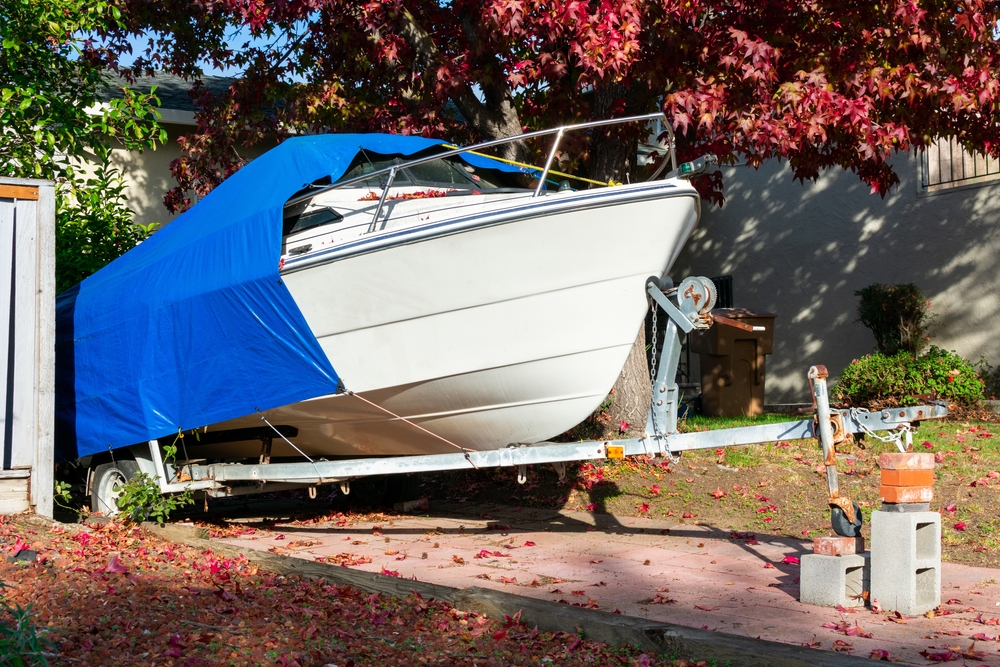
Outdoor storage or keeping a boat on your property requires extra precautions. Boats stored outside should be thoroughly winterized, covered with a weatherproof tarp or shrink wrap, and elevated if possible to avoid water accumulation. Theft and vandalism are higher risks with outdoor storage, and these should be factored into your coverage decisions. Even if your boat is on your land, don’t assume your homeowner’s policy will cover it; many policies exclude watercraft or only provide limited protection.
Additionally, proper maintenance before storage can prevent insurance claims. Draining water from the engine, adding antifreeze, removing electronics and valuables, and sealing openings against animals are all important steps. Many claims during the off-season stem from neglect rather than sudden events, and insurers may deny coverage if the boat was improperly stored or maintained.
Working with Insurance Providers in Colorado
Choosing a knowledgeable local insurance provider can make a significant difference. Local agents understand the nuances of Colorado’s climate and the unique risks posed by seasonal boating. They can guide you toward policies tailored to regional concerns, such as winter storms, high-altitude weather patterns, and wildlife-related risks.
When selecting a provider, ask about their options for seasonal policies or lay-up periods, and clarify how they handle claims during off-season storage. Some insurers offer customizable plans that adjust automatically with the seasons, while others require manual updates to coverage levels. You’ll also want to ask about discounts for safe storage, security systems, or bundling with other insurance products.
It’s important to review your policy annually. Changes in how often you use the boat, where you store it, or how much it’s worth can all affect your insurance needs. For example, if you upgrade your trailer, add a GPS system, or invest in a new boat cover, these improvements may influence your risk profile and the cost of coverage. Maintaining a detailed inventory of the boat’s equipment and accessories helps during claims and reassessments.
Common Mistakes to Avoid with Seasonal Boat Insurance
Many boat owners in Colorado make the mistake of canceling their insurance entirely during the off-season. While this may save money in the short term, it leaves the boat exposed to numerous risks. Damage from fire, theft, rodents, or even a collapsing garage roof during a heavy snowstorm would not be covered if there’s no active policy. Restarting a policy in the spring may also lead to higher premiums or the loss of loyalty discounts.
Another common error is misunderstanding the terms of a lay-up clause. If your policy includes a defined lay-up period, using the boat during this time can result in a denied claim. Always confirm with your insurer before launching early or changing storage arrangements mid-season.
Neglecting to update your insurer about major changes can also cost you. Moving your boat to a new location, switching storage types, or altering its usage pattern should all be reported. Even temporary changes, like storing the boat at a friend’s house for a month, can affect your coverage if not disclosed.
Finally, don’t assume your auto insurance will cover a boat trailer or that a homeowner’s policy covers a stored boat. Each policy type has its own limits and exclusions. Comprehensive boat insurance is designed to close these gaps and provide year-round protection.
Conclusion
Insuring a seasonal or stored boat in Colorado requires more than a basic policy. With the state’s unique climate and storage challenges, boat owners must take a proactive and informed approach. Selecting a flexible policy, maintaining comprehensive coverage during the off-season, and storing your boat properly are all essential steps. Local knowledge and regular policy reviews ensure that your boat remains protected no matter the season. Avoiding common pitfalls and maintaining open communication with your insurer will help preserve your investment and keep your boat ready for another summer of adventure on Colorado’s waters.
Need an Insurance Company in Pagosa Springs, CO?
Here at Smith Insurance, we’re here to make insurance easy and tailored just for you. Our dedicated team is committed to finding the best coverage options—whether it’s for your car, home, business, or loved ones—so you can focus on what matters most. We take pride in offering personalized guidance and affordable solutions that fit your unique needs. Reach out to us today for a free quote, and let’s start building the peace of mind you deserve. We’re just a call or message away, ready to protect what matters most to you!